Request a free sample!Request a free sample!

For our professional partners

Professional partners — monk-fruit solutions

Be among the first to gain an edge with this next-generation ingredient — we're by your side every step of the way.

Introduction

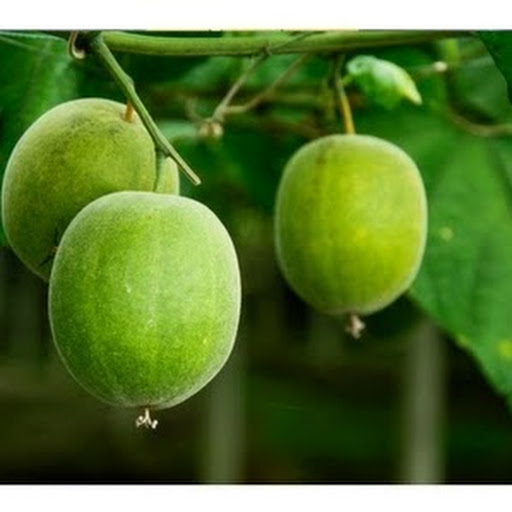
The monks' treasure

Used for centuries in Far Eastern monasteries, monk-fruit extract now offers modern European confectionery and bakery an exciting, next-generation ingredient.

The powder made from it is remarkable: it delivers a sweetness roughly 18–20× more intense than regular sugar while keeping calorie content very low.

Water-extracted from the fruit and spray-dried — in a resistant-dextrin or maltodextrin variant — the powder naturally concentrates the fruit's characteristic flavour compounds and the mogrosides responsible for its sweet character.

The powdered product can also carry a significant amount of dietary fibre, so intense flavour and functional fibre content come together in a single ingredient.

In the European Union, non-selective, water-based monk-fruit extracts are no longer considered novel foods, which opens up broader use in food and beverage development.

Technologically it is a fine, light-coloured, highly water-soluble, heat- and pH-stable ingredient that performs reliably across many product categories.
Applications

Where it fits

Bakeries

Bakeries

In cakes and baked goods, the extract powder fits into doughs, creams and fillings as a clean-label fibre source and a natural flavour carrier.

Its fibre content can contribute to better water retention and improved structural stability, which translates into freshness and moisture benefits.

Pastry & confectionery

Pastry & confectionery

In sugar-reduced or no-added-sugar versions of cakes, creams, fillings and layered desserts, monk fruit extract powder naturally supports a rounded sweet profile.

Thanks to its heat and pH stability it works well through baking and cooking, while the fibre content contributes to a fuller body and texture.

Ice cream & frozen desserts

Ice cream & frozen desserts

In dairy and fruit ice creams, sorbets and frozen desserts, the extract powder is a valuable building block for sugar-reduced concepts.

The resistant-dextrin variant increases dissolved solids, contributing to a more pleasant texture and fine-tuned melting behaviour.

Chocolate making

Chocolate making

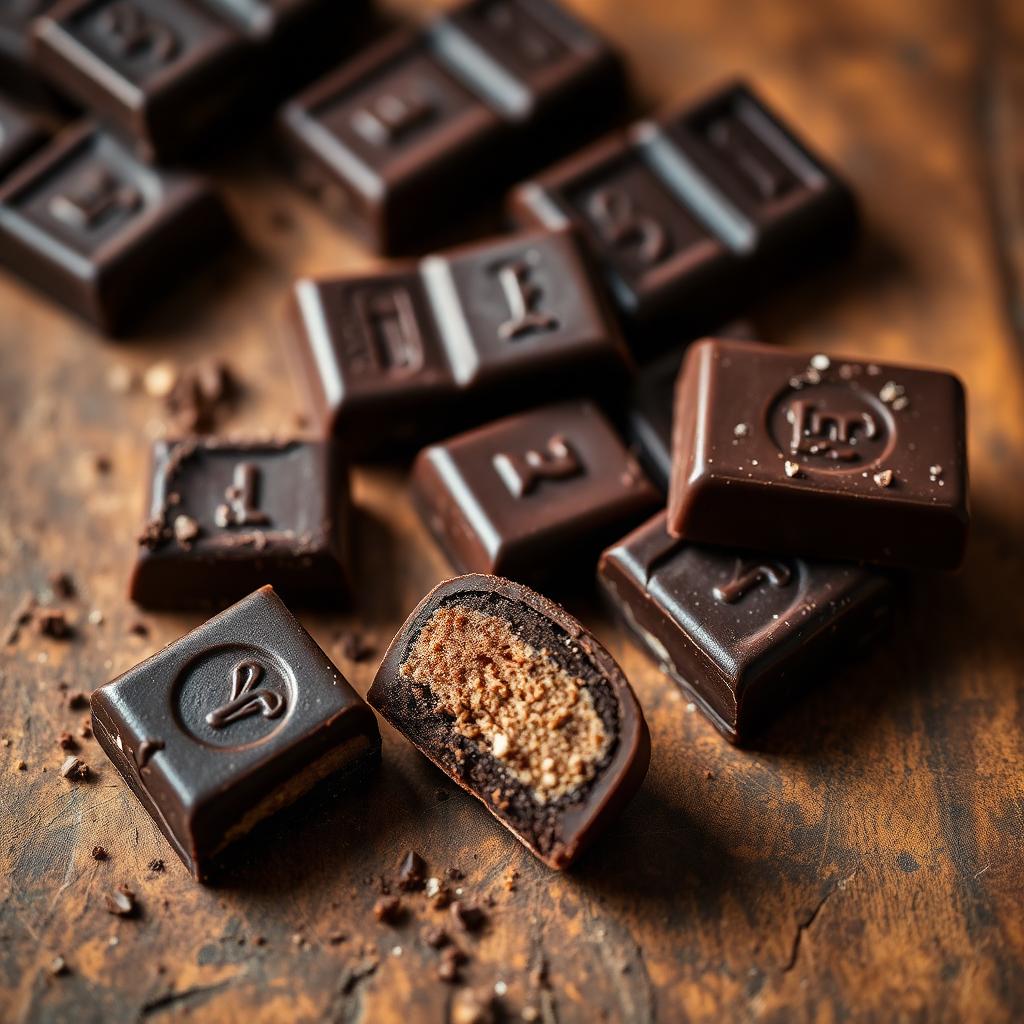
For dark and milk chocolate as well as praline fillings, the extract powder naturally adds a rounded, harmonious sweet character.

Its non-bitter profile pairs well with cocoa notes, and its fibre content adds a functional edge to the recipe.

Confectionery products

Confectionery products

In biscuits, cereal bars, granolas, filled wafers, candies and functional snacks, the extract powder offers a fibre-rich, low-calorie alternative to traditional sugar.

This is especially attractive for modern clean-label and sugar-reduced product positioning.

Beverage manufacturing

Beverage manufacturing

In soft drinks, flavoured waters, tea and coffee formats and sports drinks, monk fruit extract powder provides a highly soluble and stable option.

It can be used in both cold and hot applications, complementing beverage profiles with a characterful, non-bitter sweetness.

Dairy processing

Dairy processing

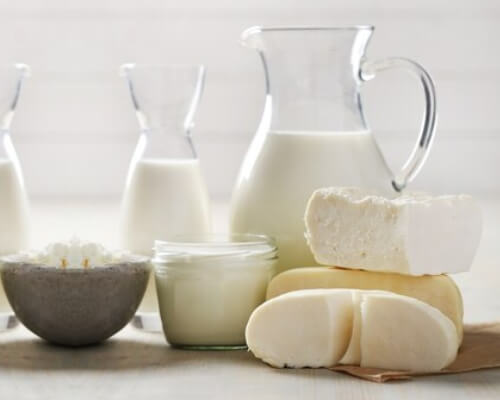
For yogurts, quark desserts, dairy-based creams and flavoured milk drinks, the extract powder gently supports the desired flavour profile.

It harmonises well with fruit and vanilla notes, while the fibre content helps to build a fuller, creamier mouthfeel.

Supplements & protein powders

Supplements & protein powders

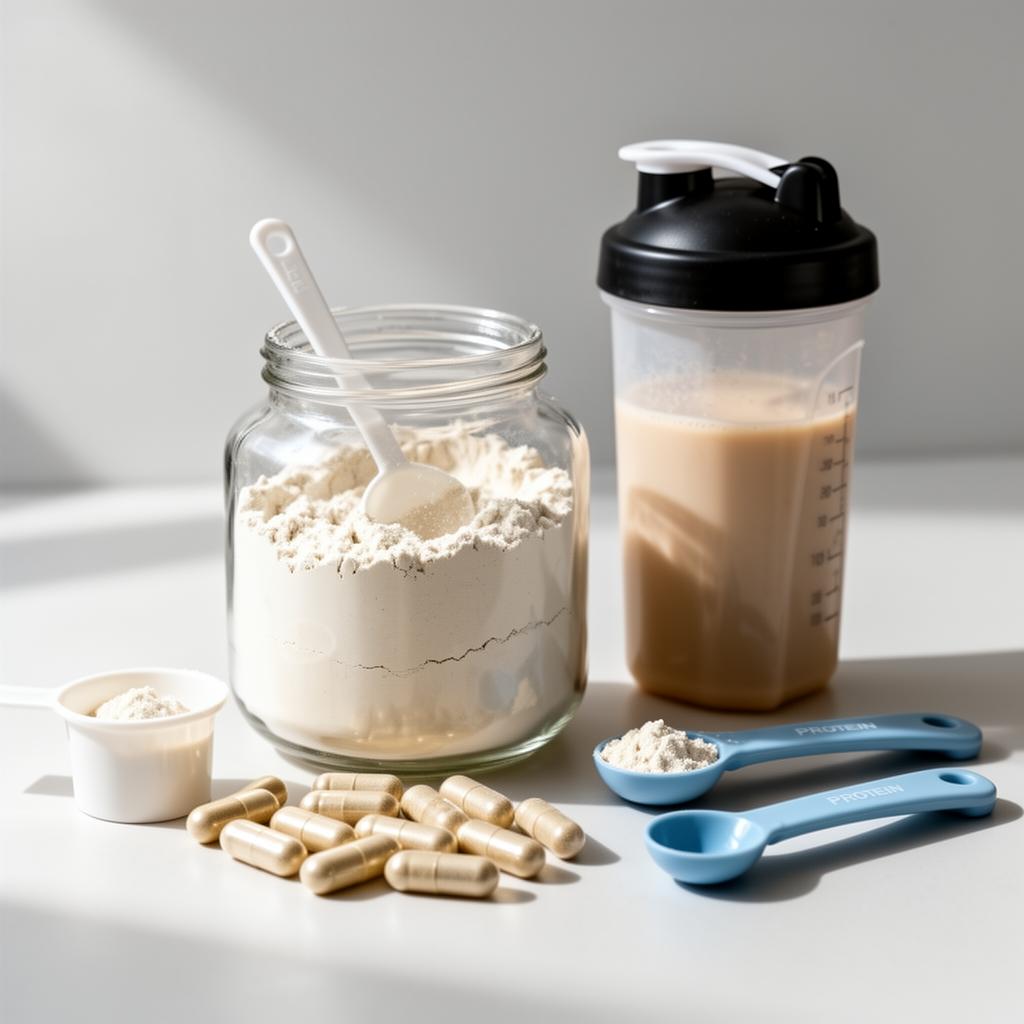
In protein powders, diet drink powders and sports nutrition products, monk fruit extract powder delivers an intense, natural flavour profile without sugars or polyols.

Its good solubility and clean-label character make it particularly valuable in the premium nutraceutical segment, while resistant dextrin can play a role as an additional fibre source.

For product development

Resistant dextrin — replacing the 'body' of sugar

Alongside monk-fruit extract powder, we also supply resistant dextrin as a stand-alone ingredient. In the food industry it is valuable not only as a prebiotic fibre but also for its technological benefits: it increases dry matter, creams up texture, supports the body of sugar-reduced recipes, and fits well into beverages, desserts and functional foods. In ice cream, replacing part of the sugar not only restores its 'body' but also helps fine-tune freezing point. In the EU, resistant dextrin is classified as dietary fibre under Commission Directive 2008/100/EC, Annex II.

Technological and nutritional properties

≥ 90% dietary fibre

High soluble fibre content on dry matter

~2 kcal/g

Low energy content for sugar-reduced concepts

Clean label

Fits sugar-free positioning

Bulking agent

Replaces sugar's 'body' in beverages, ice cream and baking

Heat- and pH-stable

Stable through baking, cooking and in acidic media

Freeze–thaw stable

Excellent in ice cream and frozen desserts

Improves viscosity

Creamier, fuller texture in drinks and desserts

Masks off-notes

Softens the aftertaste of sweeteners and functional ingredients

Functional benefits

Supports healthy blood-sugar behaviour

May contribute to improved blood triglyceride levels

Favourable prebiotic effect on gut flora

Supports regular digestion

Clinical evidence

Favourable effects of resistant dextrin on metabolic markers — based on meta-analyses of randomised clinical trials.

Glucose

Lower fasting blood glucose

Δ fasting blood glucose (mmol/L)

Δ fasting blood glucose (mmol/L)0-0.2-0.4-0.60Placebo / Control−0.15Resistant dextrin(all)−0.52Resistant dextrin(T2DM)

Resistant dextrin moderately lowers fasting blood glucose — with a stronger effect in type 2 diabetes.

Based on a 2026 systematic review and meta-analysis of 13 randomised controlled trials.

HOMA-IR

Improved insulin resistance

Δ HOMA-IR (units)

Δ HOMA-IR (units)0-0.1-0.2-0.3-0.40Control−0.30Resistant dextrin

Resistant dextrin improves the insulin-resistance marker (HOMA-IR) in clinical trials.

Value representing the pooled effect size of resistant-dextrin intervention studies; the exact value depends on the population and dose.

Curve

Flatter blood-glucose curve

Postprandial plasma glucose (mmol/L)

Plasma glucose (mmol/L)456780306090120time after meal (min)Control (with sugar)Resistant dextrin

A resistant-dextrin reformulation yields a flatter, lower postprandial glucose curve versus a full-sugar control.

Illustrative curves based on the well-known effects of soluble dietary fibres (including resistant dextrin) on postprandial glucose. Not the raw data of a single clinical trial.

Prebiotic fibre

Fibalance® — prebiotic soluble fibre for sensitive digestion

Fibalance® PHGG is a premium-grade partially hydrolysed guar gum specifically designed to be gentle on sensitive digestive systems. Its precisely controlled molecular weight of around 20,000 Da delivers optimal functionality, high solubility and low viscosity.

Low-FODMAP certified, and therefore well tolerated even by people with IBS. Unlike traditional prebiotic fibres it minimises bloating and gas formation and promotes the production of beneficial short-chain fatty acids (SCFAs).

Technologically it is an ideal choice: fully water-soluble, colourless, odourless, low in viscosity, and stable across a wide temperature and pH range. 

Planning a new development?

Request a sample and let's explore together how monk-fruit extract, resistant dextrin and Fibalance® can fit into your product concept — individually or in combination.